One in Nine Seniors: A Nurse’s Personal Fight Against the Family Gene
Amy Hamby will walk in Fayetteville this Saturday to honor her late father and raise awareness for the millions affected by Alzheimer's disease.
By Anna Nowak ·
Approximately one in nine Americans aged 65 and older lives with Alzheimer's disease. This staggering statistic translates to more than seven million people across the United States. The condition is so prevalent that a new diagnosis is issued every 65 seconds. Each case represents a unique individual, a family in distress, and a story of ongoing struggle.
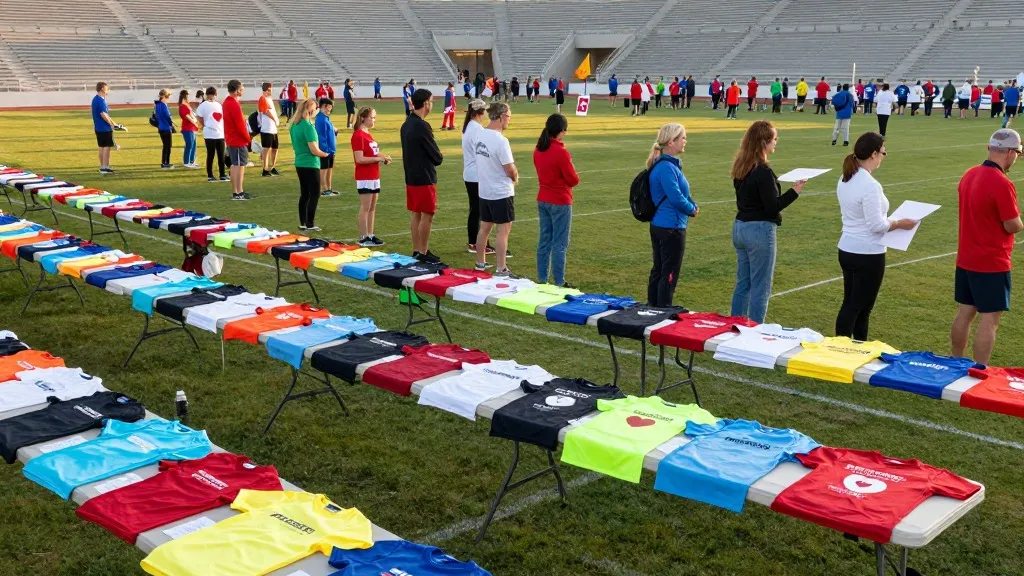
The annual Walk to End Alzheimer's will take place this Saturday in Fayetteville. Organizers expect hundreds of participants to gather at the event. Among them is Amy Hamby, a resident of Erwin. She is joining the crowd with a dual purpose. She walks in memory of her father, whom the family affectionately called Poppy. She also walks as a patient who is currently living with early-stage Alzheimer's.
Hamby’s father passed away in 2008. At the time of his death, the family did not fully grasp the genetic nature of his illness. Hamby, who worked as a nurse, admits she was unaware of the risk. She stated that she had no clue her father carried the specific gene. She did not realize she would inherit that same genetic marker.
In 2008, the family focused on grief rather than genetics. Hamby explained that the concept of a hereditary link was not clear to her. Even with her medical background, the possibility of carrying the gene was not on her radar. This lack of understanding left her unprepared for her own future health challenges.
Hamby received a diagnosis of early-stage Alzheimer's in 2024. She was 59 years old at the time. For several years prior to the diagnosis, she attributed her symptoms to post-viral effects. She described the experience as what many called COVID brain fog. It was a common explanation during that period. Eventually, the symptoms persisted, and she realized something was wrong.
Testing revealed that Hamby has two copies of the APOE-4 gene. This is a significant risk factor for late-onset Alzheimer's. Having one copy of the gene increases a person's risk by two to three times. Having two copies can raise that risk by 10 to 15 times. This genetic profile makes her situation more complex than the average case.
Hamby is currently waiting for approved treatments. She notes that these therapies carry considerable risk for her due to her genetic makeup. Despite the potential side effects, she believes the treatment is worth pursuing. She remains optimistic about her future. She wants to live life to the fullest and stay present with her children for as long as possible.
Daily life presents challenges, but Hamby maintains her routines. She sometimes asks her children to repeat questions. She continues to enjoy cooking, a passion she has held for a lifetime. She recently flipped through a cookbook of family recipes. These recipes bring back fond memories. She values sharing meals with her family.
Since her diagnosis, Hamby has become an advocate. She has traveled to Raleigh to support legislation for Alzheimer's research and care. Her work aims to improve outcomes for patients like herself. The walk begins at 9 a.m. Saturday at Segra Stadium. Registration is still open for anyone who wishes to participate or show support.
Source: ABC11 WTVD