SpaceX Rebuffs Three Military Launch Offers in Strategic Pivot
While SpaceX declines government contracts, its Starship faces a complex refueling hurdle for lunar missions, and European rivals advance their integration schedules.
By Naledi Dlamini ·
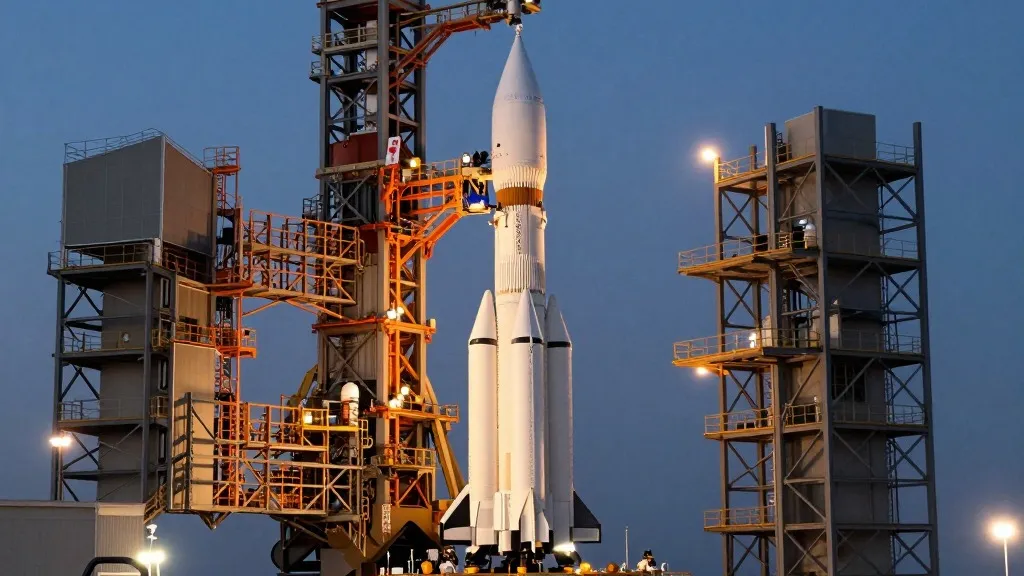
The commercial space sector is facing a period of significant strategic tension, marked by a notable shift in how private providers engage with government clients. This week, SpaceX made a decisive move by turning down three proposed military launch contracts from the United States Space Force. This refusal, described as a polite but firm "no thanks," signals a potential realignment in the relationship between the dominant private launch provider and the nation’s defense establishment. It suggests that SpaceX may be prioritizing its own civil space goals or capacity management over immediate government revenue, creating a ripple effect that industry observers are closely monitoring.
The decision to decline these contracts coincides with a critical technical challenge for the company’s flagship vehicle. A NASA safety panel has indicated that the Starship rocket may require as many as 22 in-orbit refuelings to successfully support a lunar landing. This high number underscores the complexity of the mission profile and the immense logistical demands placed on the system. For a vehicle intended to carry crews and heavy payloads to the moon, the necessity for such extensive refueling operations highlights the engineering hurdles that remain before the system is considered fully operational for deep space exploration.
While SpaceX dominates the headlines, other players in the global launch market are making steady, albeit quieter, progress. In Spain, PLD Space is nearing the final integration of its Miura 5 rocket. The company aims to launch the vehicle for the first time before mid-2027. According to CEO Raúl Torres, the manufacturing of three Miura 5 vehicles has allowed the team to apply lessons learned from qualification campaigns directly to the launch vehicle, streamlining their production pipeline.
PLD Space has confirmed that one Miura 5 second stage is now fully integrated. This stage is currently at the company’s test facility in Teruel, where it is undergoing a rigorous qualification campaign. The testing includes a wet dress rehearsal and a static hot-fire test, designed to validate the system under representative operating conditions. This milestone marks a significant step toward the inaugural flight, which is scheduled for next year, further solidifying Spain’s position in the small-lift rocket market.
Across the Atlantic, Canadian startup Reaction Dynamics is also moving forward with its expansion plans. The company is seeking to raise $350 million to significantly grow its workforce, increasing staff numbers from 68 to more than 350. This capital injection is intended to support the development of its Aurora small-lift rocket, which is targeted for orbit in 2028. The hiring push reflects the intense competition for engineering talent in the new space economy.
Beyond its immediate small-lift ambitions, Reaction Dynamics has announced plans to develop a medium-lift rocket named Borealis. The company expects to debut this larger vehicle by 2031. This dual-track approach allows the startup to address different market segments, from smaller satellite deployments to heavier payloads, positioning it as a versatile competitor in the coming decade.
These developments collectively illustrate a space industry in a state of dynamic flux. From the major strategic decisions of established giants to the technical milestones of emerging national programs, the landscape is shifting rapidly. The interplay between military needs, civil space goals, and international competition will likely define the next phase of commercial spaceflight, with each player adjusting their trajectory in response to both internal technical challenges and external market pressures.
Source: Ars Technica