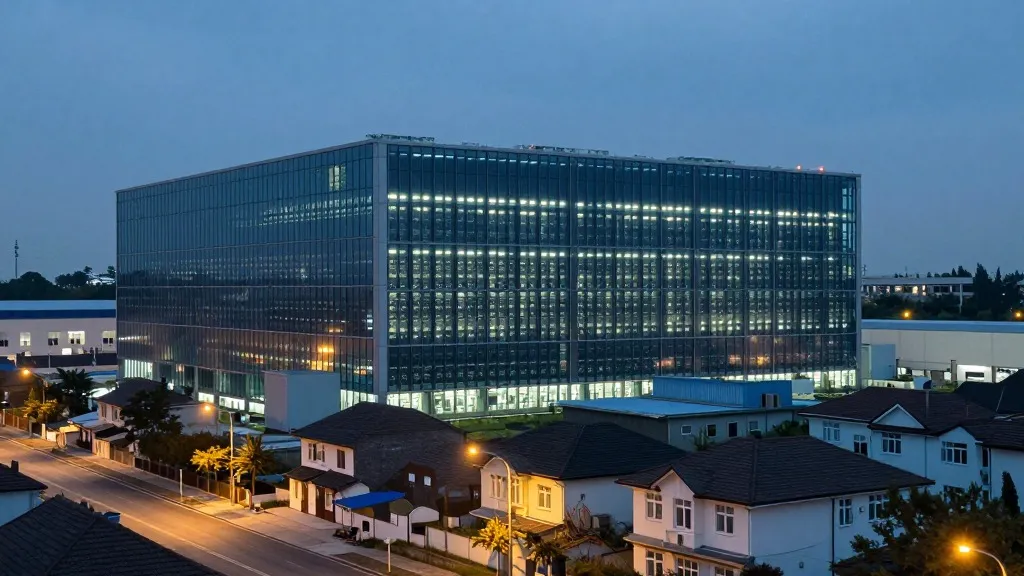
Loudoun County Residents Force Amazon to Abandon Data Center Plans for Housing
After significant local pushback, Amazon is converting a 122-acre site in Northern Virginia into residential and mixed-use developments instead of four new AI data centers.
By Mei Lin ·
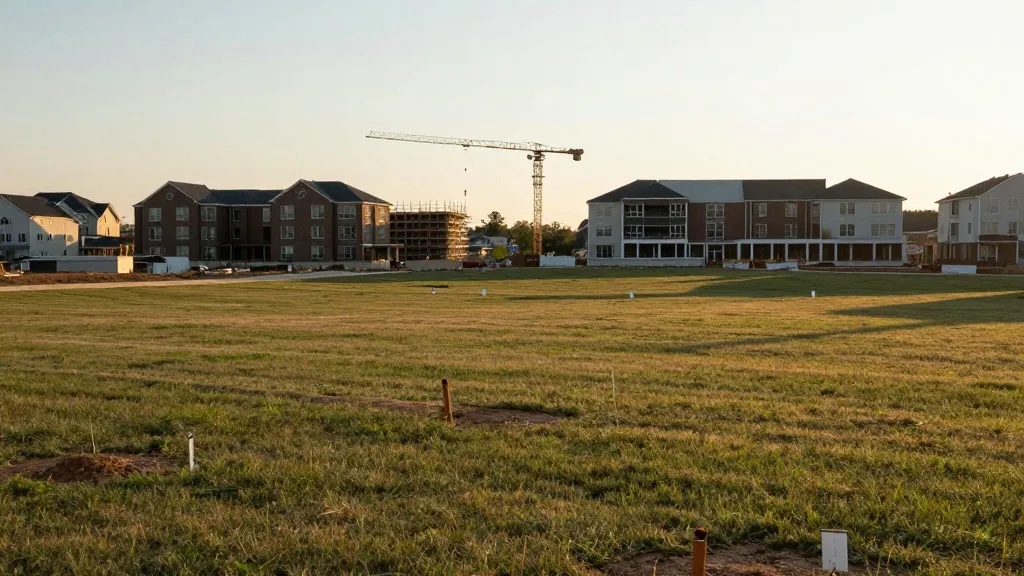
Amazon has officially withdrawn its plans to construct four new data centers on a 122-acre parcel in Loudoun County, Virginia, following intense resistance from local residents. The tech giant will instead repurpose the majority of the former George Washington University campus for mixed-use and residential development, marking a significant strategic shift in one of the nation's busiest technology hubs.
In addition to changing the land use, Amazon will donate 25 acres of the property to Loudoun County for the development of a community arts center and a new recreational facility. The company has also committed to contributing $5 million to the county’s housing fund, a concession that underscores the weight of the community’s objections to the original proposal.
This decision represents a stark reversal for a region already known as "Data Center Alley" due to its dense concentration of server farms. Residents had voiced growing concerns about the noise generated by these facilities and the massive energy demands they place on the local grid. These complaints have influenced the county’s broader approach to approving new data center projects in recent months.
Amazon initially submitted its proposal to build the facilities in July 2026. By September, the company was in direct discussions with Phyllis J. Randall, the Chair of the Loudoun County Board of Supervisors. During these talks, county officials suggested that the land might be better suited for alternative uses, a suggestion that ultimately led to the current agreement.
Josh Weissman, Amazon’s vice president for data center development, explained that the company had been eager to acquire the former university campus when it became available. However, he acknowledged that the company carefully considered the county’s “pointed concerns about data center development at this particular site.” Weissman noted that while Amazon viewed the legal development potential of the property differently than the county did, they decided that a shared vision was preferable to “costly litigation.”
The broader context for this shift involves the rapid expansion of artificial intelligence, which has driven demand for larger and more powerful data facilities. While these centers are essential for cloud services and AI processing, their environmental and infrastructural impacts have sparked local opposition. Issues such as rising electricity prices, water shortages, and deforestation have become central to community debates about where and how these facilities should be built.
President Donald Trump recently weighed in on the national discourse, calling on data center builders and AI hyperscalers to pay local communities a dividend to offset energy-related price increases. He stated on social media that these facilities should not only generate their own electricity but also return excess power to the local grid. This federal attention highlights the increasing pressure on tech companies to balance expansion with community needs.
County officials framed the outcome as a success of collaborative governance. Randall stated that by choosing dialogue over “reflexive disagreement,” the county and Amazon created a valuable opportunity for the community. She emphasized that the agreement will provide new spaces for residents to gather, create, and play, while also delivering “more attainable homes for working families.”
Despite the official optimism, some local voices argue that the power grid in Northern Virginia is already at capacity, suggesting that adding new data centers was mathematically difficult without new infrastructure. Critics contend that the swap from data centers to luxury housing is a minor trade-off, though others highlight the transit improvements as a genuine benefit. As the region continues to grapple with the footprint of big tech, this agreement sets a precedent for how local communities can negotiate with major developers.
Looking ahead, the site will transition from a proposed tech hub to a mixed-use neighborhood. The donation of land for public use and the housing fund contribution will be integrated into the county’s planning processes. For Amazon, the move avoids a potential legal battle and maintains a positive relationship with local stakeholders, while for Loudoun County, it preserves green space and adds residential capacity in a high-demand area.
Source: Tom's Hardware