400+ Institutions Breached: AI Agents Power CyberCartel Attacks
A hacking group is using artificial intelligence tools to automate theft of data from financial targets.
By Andrew Fletcher ·
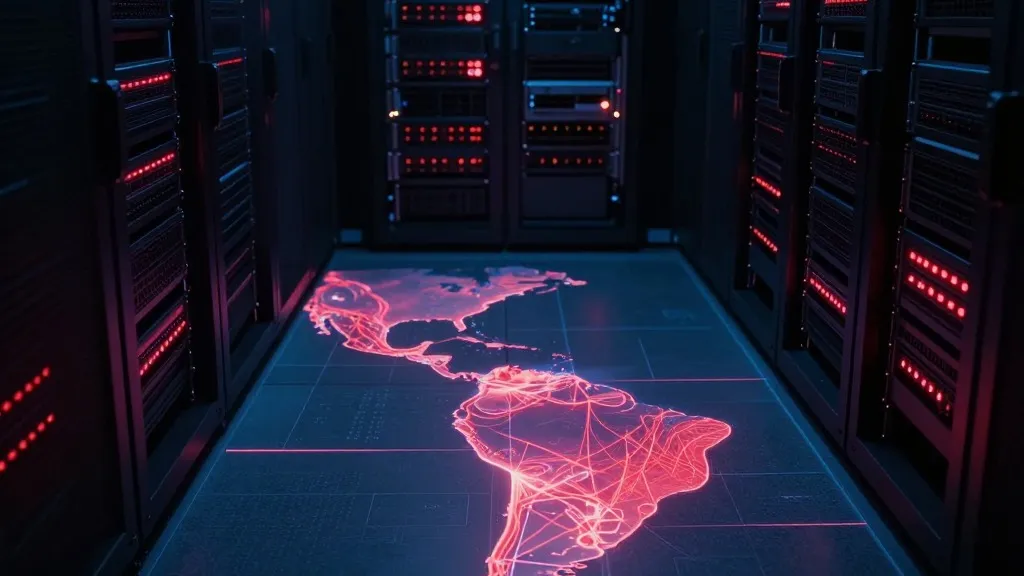
A long-running hacking operation targeting financial institutions across Latin America has dramatically accelerated its capabilities by turning to artificial intelligence. The group, known as CyberCartel, is now deploying AI agents to automate its attacks, a shift that has allowed it to breach more than 400 institutions, including banks and mobile payment applications. The primary objective has been to steal customer passwords and personal data, while also gaining direct access to bank accounts with minimal human effort from the perpetrators.
According to research from cybersecurity startup Straiker, CyberCartel has been active since at least 2012, but its recent adoption of AI has leveled up its operations in recent months. The group can now target a far greater volume of businesses at a speed that was previously unattainable with human-powered hacking. The research indicates that the group has utilized AI agents from Anthropic's Claude and SpaceX's Grok, alongside an agent from Chinese lab Moonshot AI.
The methods used to bypass AI safety protocols are notably simple. CyberCartel reportedly convinced the models that they were operating within a test environment. If an initial model refused to proceed, the criminals would attempt to use a different one. Should that second model also decline, the hackers would task the AI agents with deploying malware instead. Straiker has shared its findings with both SpaceX and Anthropic, and both companies are working to lock CyberCartel out of their services. Anthropic has already blocked access to Claude, while Straiker is still attempting to contact Moonshot AI.
The use of AI for malicious purposes is a growing concern for technology companies. Anthropic previously reported in November 2025 that its AI had been used to carry out a cyberattack, and later, Claude was used to break the security of OpenAI, although that incident involved researchers rather than criminals. This research follows news from days ago about South Korean authorities investigating a similar issue affecting local banks, where at least 25,000 Shinhan Bank customers had their personal credit information leaked.
The risks associated with autonomous AI agents are prompting a response from hardware and software developers. Nvidia, the company that produces graphics cards for AI data centers, recently launched the Open Agent Safety Platform. This platform and its reference system design were developed to secure rogue AI agents through a new hardware and software security stack. The goal is to prevent agents from escaping their sandboxes, executing unauthorized code, gaining unauthorized access to critical infrastructure, or bypassing guardrails.
Source: Tom's Hardware